
Preparing a Lexington Home Site for What Comes Next
Building a home on an undeveloped or uneven lot involves more than clearing trees and bringing in a foundation crew. The ground needs to be shaped so the building area, driveway, drainage pattern, and future yard can work together. For property owners planning a new home site, land grading in Lexington SC can be an important early step.
The finished surface does not have to be perfectly flat. It needs practical elevations, stable areas for the next phase of construction, and a controlled route for runoff. The right approach depends on the lot's slope, soil, access, existing vegetation, utilities, and the way the property will be used.
Why a New Home Site Needs a Grading Plan
A new home site often begins with uneven ground, wooded edges, low areas, or slopes that were never designed for a building pad. If those conditions are ignored, water may collect where the house or driveway is planned, equipment may struggle to reach the work area, and later landscaping can hide problems instead of solving them.
- Set aside a usable area for the planned home and related improvements.
- Identify high spots, low spots, slopes, and likely runoff paths before soil is moved.
- Plan access for construction equipment without disturbing more of the property than necessary.
- Coordinate grading with the driveway, utilities, drainage, and future outdoor areas.
Start with the Lot's Natural Water Pattern
Rainwater should be considered before the building pad is finalized. A site evaluation can look at where water starts, where it travels during a storm, and where it can safely leave the property. On Lexington-area lots, compacted soil, wooded slopes, and short periods of heavy rain can make a small elevation mistake more noticeable.
Grading may help direct runoff away from the future home, but it should not simply push water toward a neighboring property, public roadway, septic area, or another low spot. Depending on the site, the plan may also need swales, a suitable outlet, or other drainage solutions in Lexington SC. Local review may be needed when soil disturbance, stormwater, floodplain conditions, utilities, or construction plans are involved.
Create a Building Pad and Stable Elevation
The building pad is the prepared area where the future home will be placed. Its size, elevation, slope, and soil preparation depend on the house plan, foundation type, lot conditions, and the requirements of the builder or design professional. Land grading helps shape the surrounding ground so the pad connects logically to access routes and drainage paths.
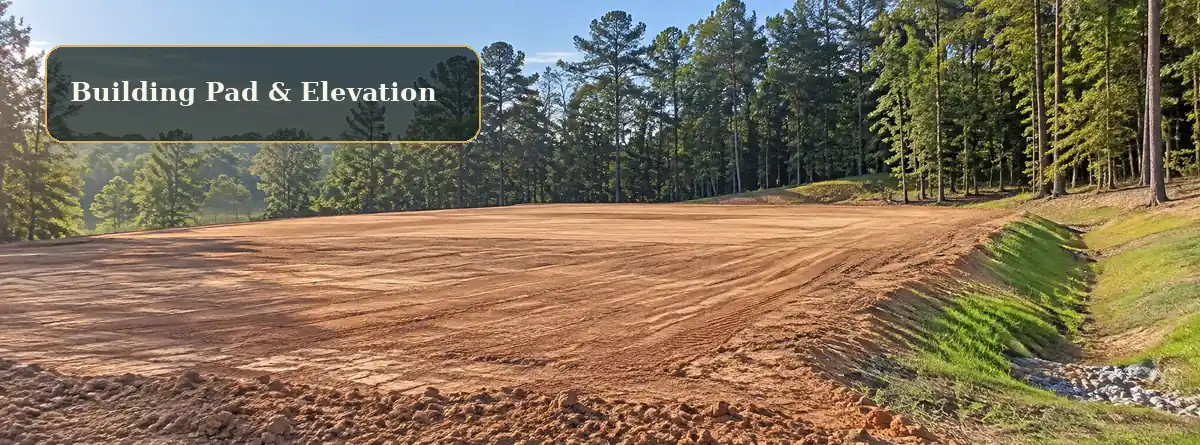
That does not mean every homesite should be flattened. A well-planned site may use a controlled elevation change to work with the land instead of forcing the entire property into one level. Cut and fill, soil movement, and compaction should be considered together so the prepared area is ready for the next phase of work.
Plan the Driveway and Equipment Access
A new home site needs more than a place for the house. The driveway route, construction entrance, delivery access, parking area, and future garage or outbuilding locations can all affect how the ground should be shaped. If the access route is placed without considering slope and runoff, it may develop soft spots, ruts, or washouts before construction is complete.
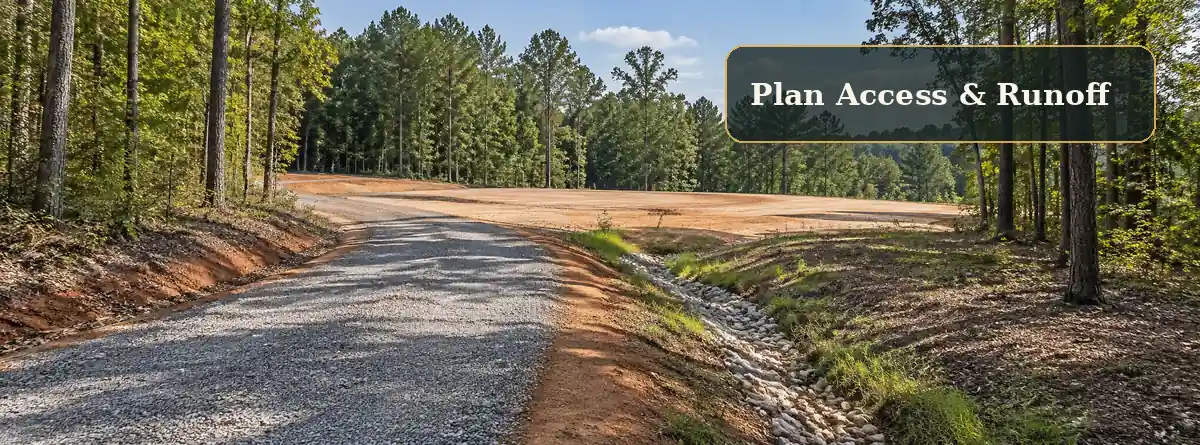
Planning access early also helps reduce unnecessary disturbance. The route can be evaluated for turning space, soil conditions, drainage edges, and the equipment needed for the project. The final driveway surface and any structural design requirements should be coordinated with the appropriate builder or professional, while grading establishes a practical base for that work.
Coordinate Clearing, Utilities, and Site Limits
Many new homesites begin on wooded or overgrown property. Before earthmoving starts, the project should account for trees to preserve, property lines, easements, buried utilities, wells, septic areas, and any existing structures. Land clearing services in Lexington SC may need to be coordinated with grading so the lot is opened only as far as the plan requires.
It is also important to keep the finished home, driveway, drainage features, and future yard in the same conversation. A grading decision that looks convenient for one part of the property can create a problem for another part if the whole layout is not considered.
Think About Soil, Compaction, and the Finished Surface
Lexington-area soil can behave differently from one lot to the next. The amount of soil that must be cut, moved, added, or compacted depends on the existing ground, weather, slope, planned use, and available access. Fill placed in a low area may need careful preparation before it supports a driveway, patio, foundation-related work, or other improvement.
After rough grading, the surface may need fine grading and stabilization with seed, sod, mulch, stone, or another suitable covering. The final treatment should match the next phase of construction and help keep disturbed soil from washing away while the property is being developed.
Protect the Site After Grading
Grading is not finished simply because the ground looks smooth. The site should be checked after rainfall to see whether water follows the intended route, whether any low areas are holding water, and whether exposed soil is beginning to erode. Early corrections are usually easier to address before the driveway, foundation, landscaping, or outdoor living areas are installed.
Property owners should also follow any applicable local, county, HOA, utility, stormwater, or construction requirements. An on-site review can help identify questions that need to be answered before the next contractor begins work.
When to Schedule Land Grading
The best time to discuss grading is before the site is cleared or the building layout is locked in. That gives the project a chance to consider the home location, access, drainage, soil, utilities, and future use together instead of correcting one issue at a time.
If you are evaluating a property or preparing a lot for a new home in Lexington, Columbia, Lake Murray, Irmo, or a nearby Midlands community, AKA Land Services can review the site conditions and discuss practical next steps. You can request a project estimate for an on-site conversation about the work.
A Better Start for the Whole Property
New home site grading is about more than moving dirt. It is an opportunity to establish a workable relationship between the building pad, driveway, drainage pattern, utilities, and future yard. When those pieces are considered together, the next stages of construction can begin with a clearer and more stable site plan.
Frequently Asked Questions
What does land grading do for a new home site?
It shapes slopes and elevations to create a usable building area, help route runoff, and prepare access for later work. The exact scope depends on the property and construction plan.
Does grading make a homesite perfectly flat?
Not necessarily. A useful homesite normally needs controlled elevation and slope so the building area, driveway, drainage, and surrounding land work together.
Should drainage be planned before grading?
Yes. The site should be reviewed for high areas, low areas, runoff direction, soil conditions, and a safe outlet before major soil movement begins.
Can the driveway be included in the grading plan?
It can be considered as part of the site layout, including its route, access, slope, drainage, and relationship to the future home. Final surface and structural requirements may involve other professionals.
Are permits or approvals required for new home site grading in Lexington SC?
Requirements vary with the location, amount of soil disturbance, stormwater conditions, floodplain status, utilities, septic work, and construction plans. Check with the appropriate city, county, HOA, utility, or permitting office before work begins.