
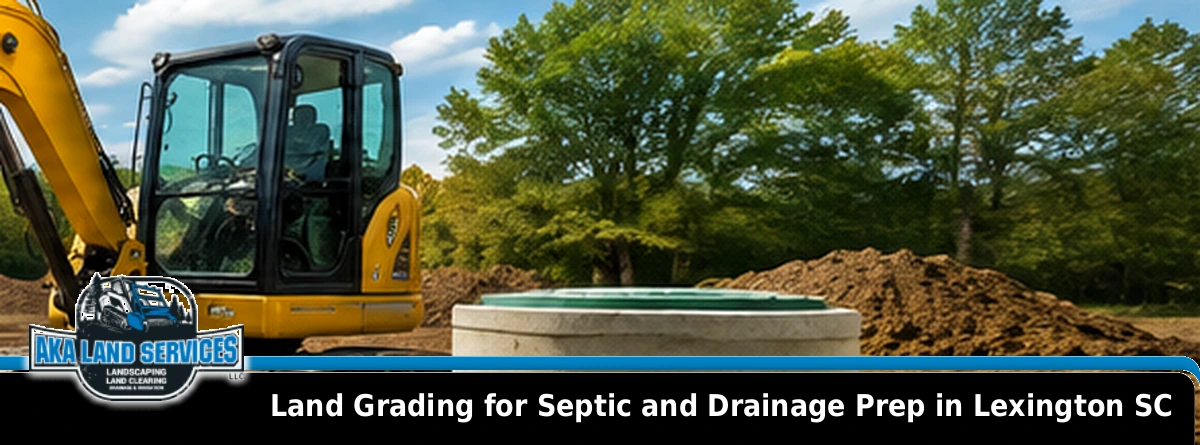
Smart Site Preparation Starts with the Grade
Quick Answer: Carrying out land grading as part of the septic and drainage preparation allows the necessary slopes, elevations, access routes, and direction for runoff to be set in place before any further site work is carried out. When dealing with properties in Lexington, SC, the aim is to alter the land shape so that water runs away from delicate areas, the low spots are dealt with, and the site is prepared for the following contractor or installation stage.
Both septic and drainage work rely very much on what the ground is doing. A property that appears fairly level may still hold water, direct runoff to the wrong place, or have soft spots that make it difficult to get equipment onto it. This is the reason why site preparation should be based on the whole property rather than viewing the work area as a separate patch of soil.
AKA Land Services carries out land grading in Lexington, SC for property owners who require proper site preparation before carrying out drainage improvements, septic work, constructing driveways, landscaping, and other similar projects. The specific grade needed depends on the soil type, existing slope, access conditions, proximity to nearby buildings, runoff patterns, and how the final area will be used.
How Grading Supports Septic and Drainage Prep
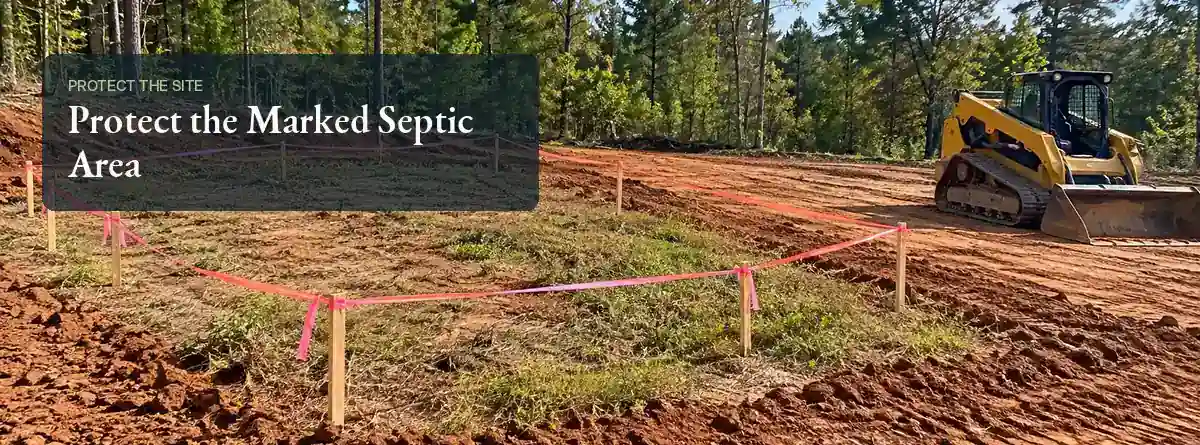
Proper grading establishes a controlled starting position. Prior to any septic-related work starting, the land surrounding the area should be assessed in order that surface water does not flow towards the site of the proposed system or remain gathered around the access points. The grading should also be carried out in coordination with the person or people who are designing or installing the septic system so that the approved areas, tank positions, and drainfield zones are not unnecessarily disturbed.
The requirements for drainage are also the same: water must have a practical route by which to move across or off the property. In different cases this could mean shaping a swale, filling in a low spot, making preparations for a French drain, redirecting the runoff, or creating sufficient slope for surface drainage.
Why Drainage Direction Matters Before the Finish Grade
Properties in the Lexington area generally have soil that is rich in clay and tends to drain slowly following heavy rain. The issue won't become apparent until the next major storm if the ground is roughened in such a way that it forms a bowl, blocks an existing outlet, or directs the runoff towards the house, the driveway, the fence line, or the septic area.
Drainage solutions in Lexington, SC work best when the grading and drainage plan are coordinated, with the goal of achieving a suitable grade that directs water to areas where it can be managed without causing new erosion or runoff issues.
What to Check Before Final Grading Begins
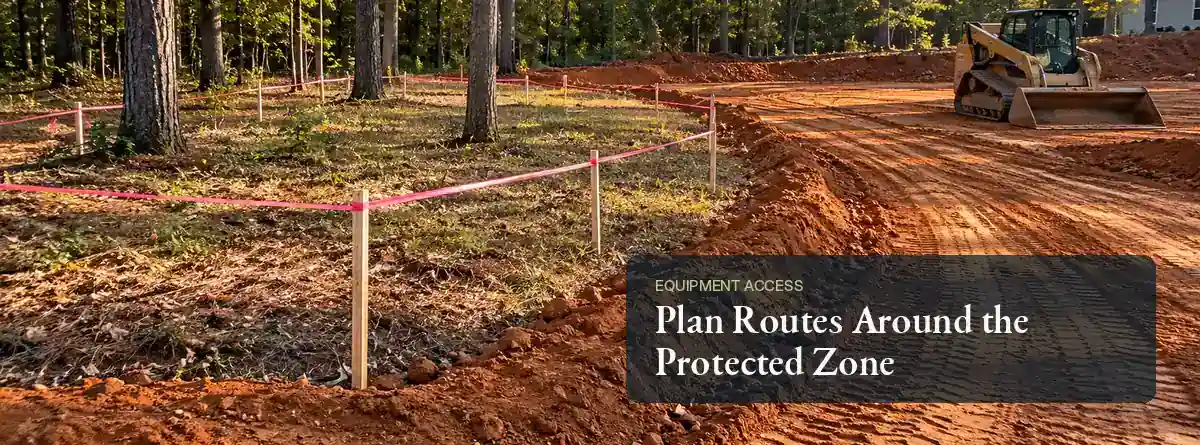
Before the final grade is set, you need to check the locations of utilities, buildings, planned septic system components, drainage outlets, driveways, and areas for future landscaping. Also consider equipment access, particularly on smaller residential lots or properties where trees and other features must remain in place.
Soil that has just been moved can settle, and land which has been repeatedly passed over by machinery may respond differently to heavy rain than land that has not been disturbed. The final grade must account for these circumstances and support the next stage of the project.
Why This Matters
The grade set during site preparation affects the direction water flows, how easily the area can be accessed, and whether subsequent drainage or landscaping work can be carried out on a firm foundation. It is easier to correct the grade early than to reshape the area later.
Common Mistakes
- Don't begin excavation until you've checked how runoff crosses the property.
- Failing to co-ordinate the work when grading over a planned septic area.
- Making depressions that can hold water following heavy rain.
- — Moving the soil without regard for where the water that is displaced will end up.
Best Practices
- When possible, walk around the property after heavy rain and look out for any standing water or signs of erosion.
- Before the equipment arrives, identify the utilities, access routes, structures, and protected work areas.
- Arrange the grading to match the subsequent septic, drainage, driveway, or landscaping work.
- Make sure the final slopes are suitable for access, can control erosion, and are appropriate for long-term use of the property.
Local Relevance
In places such as Lexington, Lake Murray, Batesburg, Leesville, Columbia, and the adjacent Midlands areas, different grading decisions may be needed for red clay, wooded plots, residential building, and rural land. It is generally best to carry out an on-site assessment to determine the appropriate amount of soil movement.
When to Contact AKA Land Services
If your project involves land grading, drainage correction, clearing, or site preparation before another contractor starts work, AKA Land Services can assess the property and talk through the next steps. You can request a quote taking into account access, slope, drainage patterns, and your project goals.
Final Thoughts
The most suitable grading plan for preparing septic and drainage systems considers the property's specific characteristics rather than applying the same method to every site. If you plan the slope, runoff, access, and future requirements together, you will create a neater foundation for the next stage and avoid unnecessary rework later.
Should the land be graded before septic work starts?
Yes, it can, but the order will depend on the approved septic layout, the existing slope, access, and the soil conditions. Make sure that the grading is coordinated so that the areas designated for the tank and the drainfield are not unnecessarily disturbed.
Can grading assist with drainage in the vicinity of a septic system?
Yes, it can; proper grading will help to channel surface runoff away from sensitive or low-lying areas, but the right slope and outlet will depend on the property.
How steep does the land need to be to drain the yard?
No single slope will suit all types of property. The final slope depends on the soil type, the distance involved, the outlet location, erosion risk, any existing structures, and the intended use of the area.
Should the utilities be located before grading starts?
Yes, you should identify the utilities and any other important site features before earthmoving starts and coordinate the work with the relevant utility companies or contractors.
When should I request a grading evaluation in Lexington, SC?
An evaluation makes sense when the property has standing water, erosion, uneven grades, access problems, or planned septic, drainage, driveway, clearing, or landscaping work.