
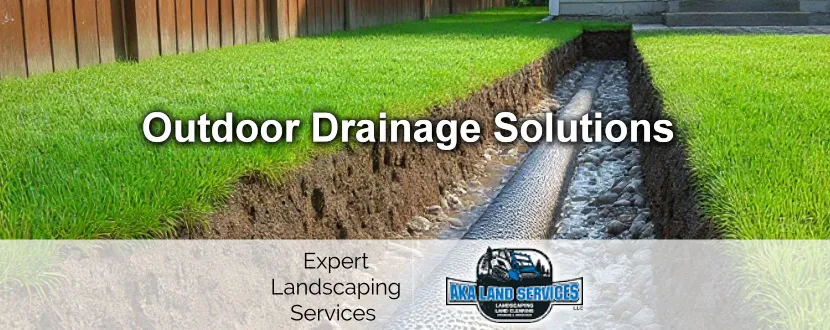
If you have spent any time dealing with a yard in South Carolina, you already know that water does not always behave the way you want it to. One good storm can turn a perfectly nice lawn into a soggy mess, and before long, you start noticing puddles that just will not go away. A lot of homeowners assume it is just part of living in a humid climate, but the truth is, proper outdoor drainage can completely change how your property handles water.
South Carolina landscapes come with their own unique group of challenges. Between clay-heavy soil in some areas, sandy patches in others, and frequent heavy rainfall, water management is not something you can ignore. The good news is that with the right drainage solutions customized specifically for these conditions, you can protect your home, your yard, and even your foundation.
Why Drainage Matters More in South Carolina
One thing people often underestimate is just how much rainfall this region gets throughout the year. It is not always steady either. You might go days without rain, and then suddenly get hit with a heavy downpour that dumps inches of water in a short time. When your yard is not prepared for that kind of volume, the water has to go somewhere, and it usually ends up pooling in the worst possible spots.
Another issue is soil composition. In many parts of South Carolina, clay soil tends to hold water rather than drain naturally. That means even a small amount of rain can linger much longer than expected. Over time, this can lead to lawn damage, plant root issues, and even structural concerns if water starts collecting near your foundation.
Common Drainage Problems Homeowners Encounter
Most drainage issues do not show up all at once. They build gradually, and by the time you notice them, they have already been causing problems for a while. One of the most common signs is standing water that sticks around for more than a day after rain. That is usually a clear indication that your yard is not draining properly.
Another issue is erosion. If you notice soil washing away, especially along slopes or near walkways, that is water actively reshaping your landscape. Not only does this make your yard look uneven, but it can also expose roots and weaken plants over time.
- Water pooling near your home’s foundation after storms
- Soft, muddy areas that never fully dry out
- Mulch or soil washing away from garden beds
French Drains: A Preferred Solution That Actually Works
If you talk to most drainage professionals, French drains almost always come up, and for good reason. They are among the most effective ways to divert water away from problem areas without completely reworking your entire yard. The basic idea is simple: a trench filled with gravel and a perforated pipe that collects and channels water elsewhere.
What makes French drains especially useful in South Carolina is their ability to handle both surface water and groundwater. In areas with heavy rain and slow-draining soil, this combination is exactly what you need. They can be installed along property lines, around foundations, or even through low spots in your yard.
Grading and Sloping: The Foundation of Good Drainage
Before adding any drainage system, it is worth taking a close look at how your yard is graded. Sometimes the problem is not the amount of water but the direction it moves. If your property slopes toward your home instead of away from it, you are essentially inviting water to collect where it should not.
Regrading does not always mean a massive overhaul. In many cases, small adjustments can make a big difference. Even a slight slope change can encourage water to run naturally away from your home and into designated drainage areas. This is one of those fixes that seems simple but can have a huge impact when done correctly.
Downspout Extensions and Gutter Integration
It is easy to overlook your gutters when thinking about outdoor drainage, but they play a major role in how water is distributed around your property. Without proper extensions, downspouts can dump large amounts of water right next to your foundation. Over time, that constant flow can lead to serious issues.
Adding downspout extensions or tying them into a drainage system makes sure that water is carried safely away from your home. This is especially important during heavy storms, when your roof sheds a significant amount of water at once.
Dry Creek Beds: Functional and Aesthetic
Not every drainage solution has to be hidden underground. Dry creek beds are a great example of something that is both practical and visually attractive. These are shallow channels lined with stones that guide water through your yard in a controlled way.
They work particularly well in areas where water tends to run naturally during storms. Instead of fighting that flow, you are working with it and giving it a defined path. Plus, they can provide a nice landscaping element that blends into the overall design of your yard.
Catch Basins and Channel Drains
For areas that experience frequent pooling, catch basins and channel drains can be a game-changer. These systems are intended to collect water quickly and move it away before it has a chance to sit and cause damage. You will often see them installed in low spots, near driveways, or along patios.
In South Carolina, where sudden heavy rains are common, having a system that can carry large volumes of water in a short time is incredibly valuable. It is one of those upgrades that you may not think about until you really need it, but once it is in place, the difference is noticeable right away.
Designing Solutions to Your Specific Property
No two yards are exactly the same, and that is why drainage solutions should never be one-size-fits-all. What works for one property might not be effective for another, especially when you factor in differences in soil type, elevation, and landscaping features.
A customized approach takes all of these factors into account. It looks at where water enters your property, how it moves across the surface, and where it tends to collect. From there, the right combination of solutions can be put in place to manage that water effectively.
Long-Term Advantages of Proper Drainage
Investing in outdoor drainage is not only about fixing immediate problems. It is about preventing future issues that can be far more expensive to address. Persistent moisture around your home can lead to foundation damage, mold growth, and even pest problems.
On the landscaping side, proper drainage supports maintaining healthier soil and stronger plant growth. Your lawn stays more consistent, your garden beds hold their shape, and you spend less time dealing with muddy patches and erosion.
At the end of the day, a well-designed drainage system makes your entire outdoor space more usable. You are not constantly working around wet areas or worrying about the next big storm. Instead, your yard works the way it is supposed to, handling water efficiently and staying in good shape year-round.